Why SEO does not start only after launch
Many businesses only think about SEO once the website is already finished. By then, clear page structures, suitable headings or content that answers real search queries are often missing.
It is better to consider visibility from the start. When services, locations, target groups and customer questions are cleanly sorted, the website is easier to understand: for visitors and for search engines.
Which content matters for small businesses
Good SEO content answers concrete questions. What is offered? Who is the service intended for? In which region is the business active? How does the enquiry or booking work?
This is not about artificially stuffing texts with keywords. What matters is that every page has a clear topic and visitors quickly recognise whether they are in the right place.
- Name services clearly and explain them individually
- Answer frequent customer questions directly
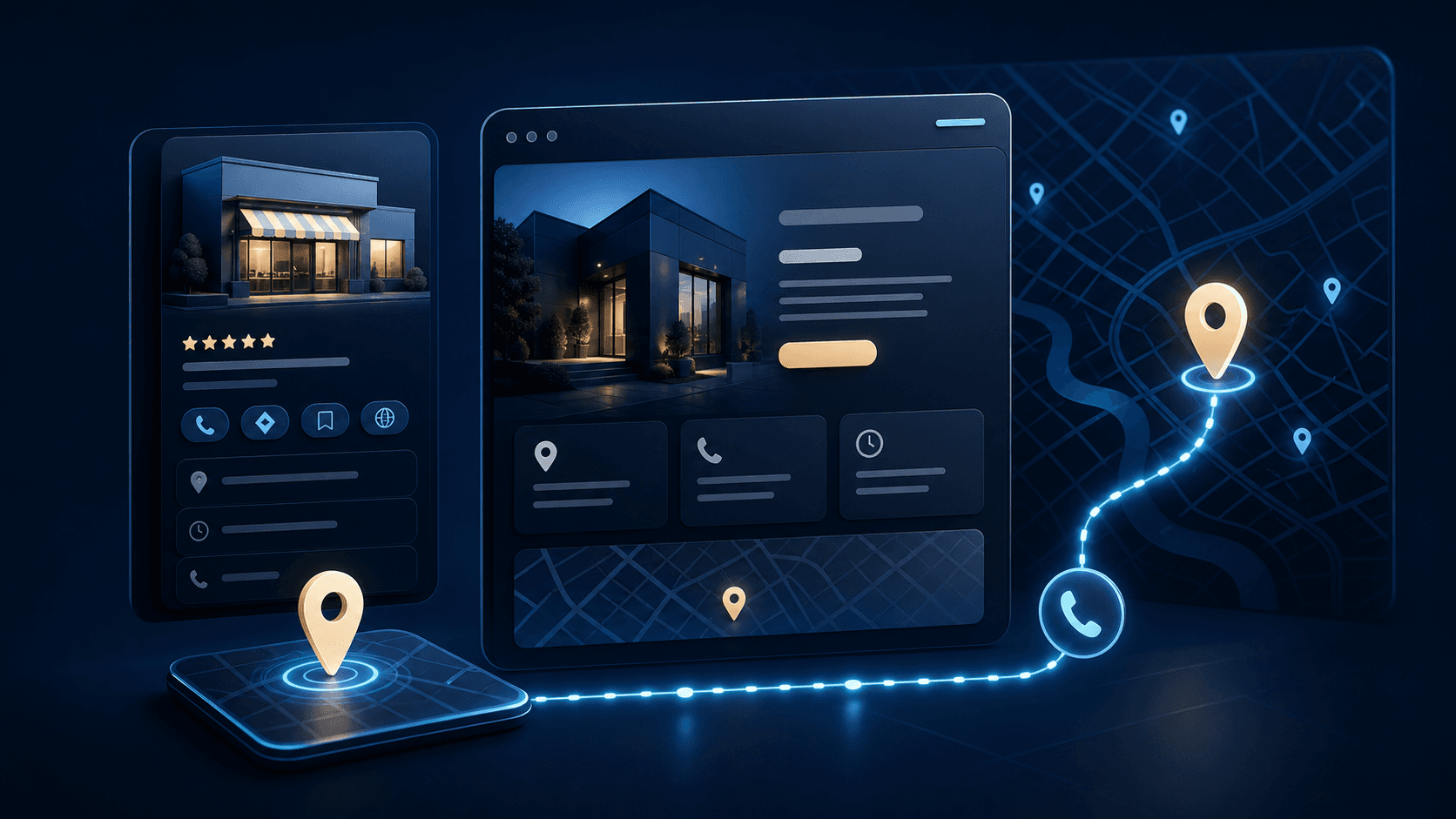
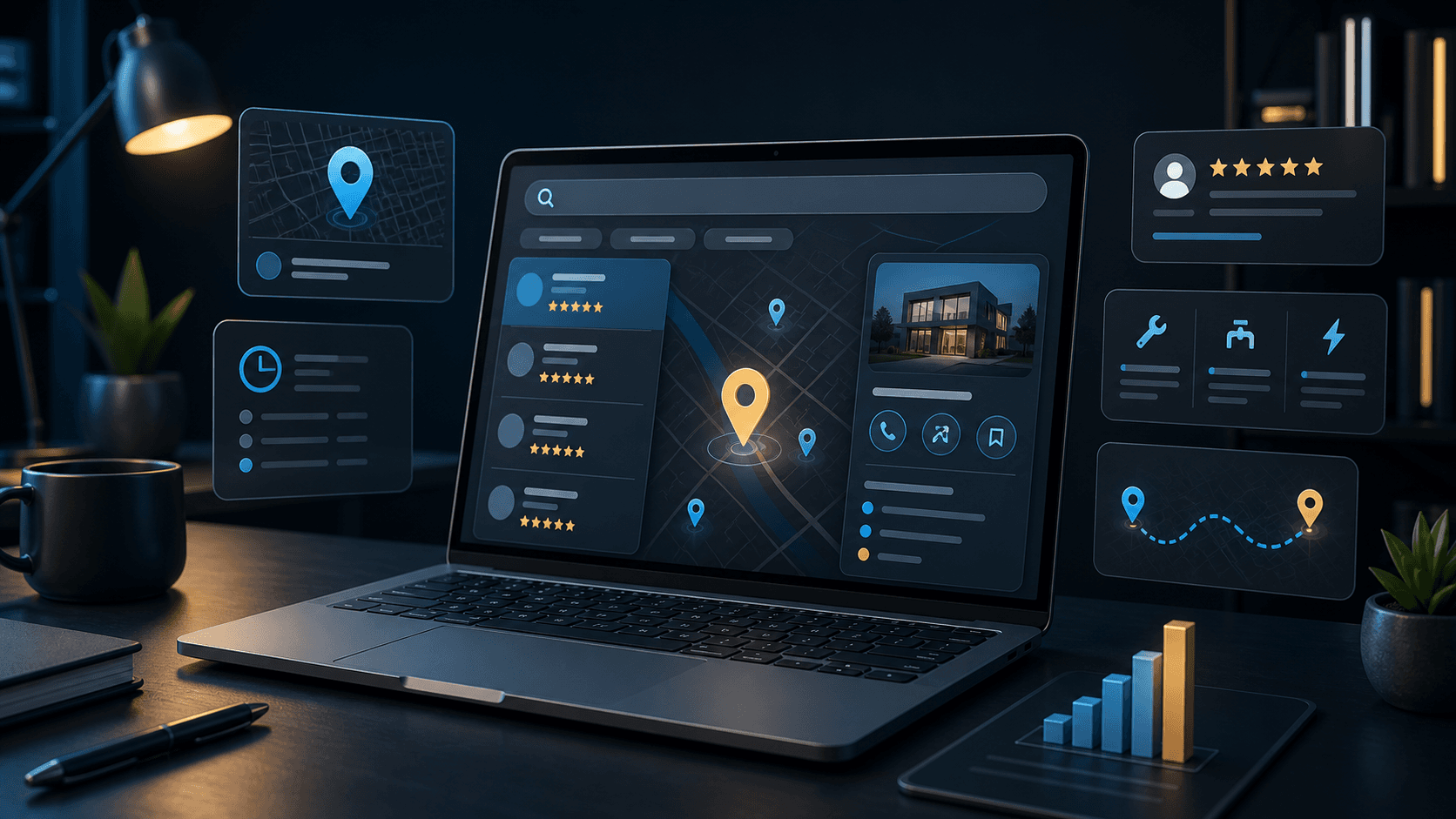
- Make region, contact paths and opening hours visible
- Strengthen trust through examples, reviews or references
Why page structure makes such a difference
A website with a good structure is easier to use and easier to index. If all services are only on one long homepage, important topics often remain too superficial.
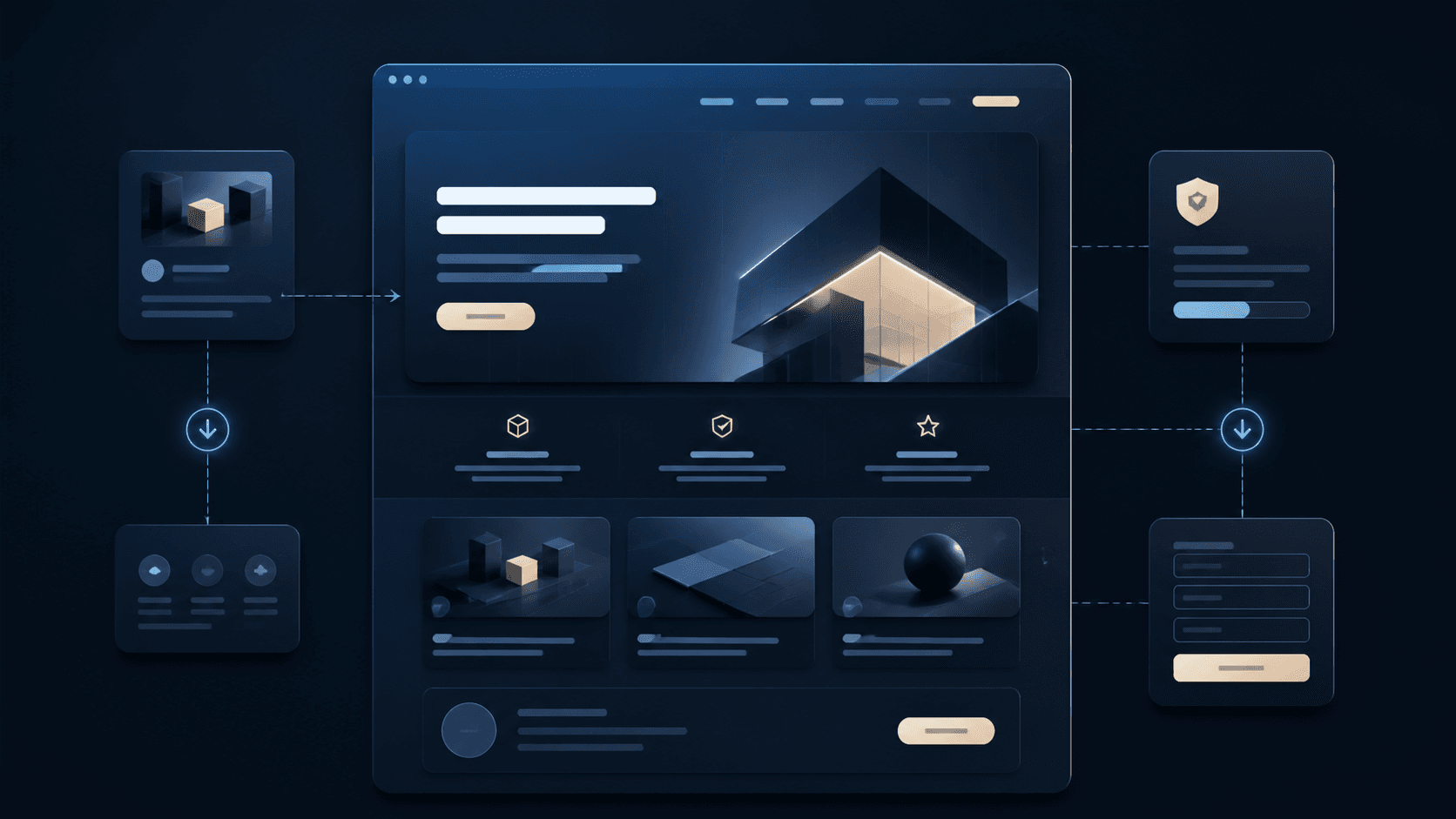
A clear order makes sense: the homepage for an overview, service areas for details, a contact page for the next step and, where needed, individual subpages for particularly important offers.
- Every important service gets enough room
- Headings describe the content unambiguously
- Internal links connect related pages with each other
- Visitors find the next step without detours
Technical basics that should not be missing
SEO is not just text. Loading time, mobile display, image sizes, meta titles, descriptions and clean links influence how reliably a website works.
Even small technical errors can weaken the effect of good content. That is why important pages should be checked regularly, especially after design changes, new images or new features.
- Fast loading times on mobile devices
- Meaningful page titles and descriptions
- Compressed images with suitable alt texts
- Error-free links, forms and redirects
How Digital Vision integrates SEO pragmatically
Digital Vision sees SEO as part of website planning. First, services, target groups and search intentions are sorted. Then a structure is created that guides visitors and gives search engines clear signals.
The result is not an overloaded SEO strategy, but a website that is built clearly, shows relevant content and can be maintained in the long term.