Why trust is formed before contact
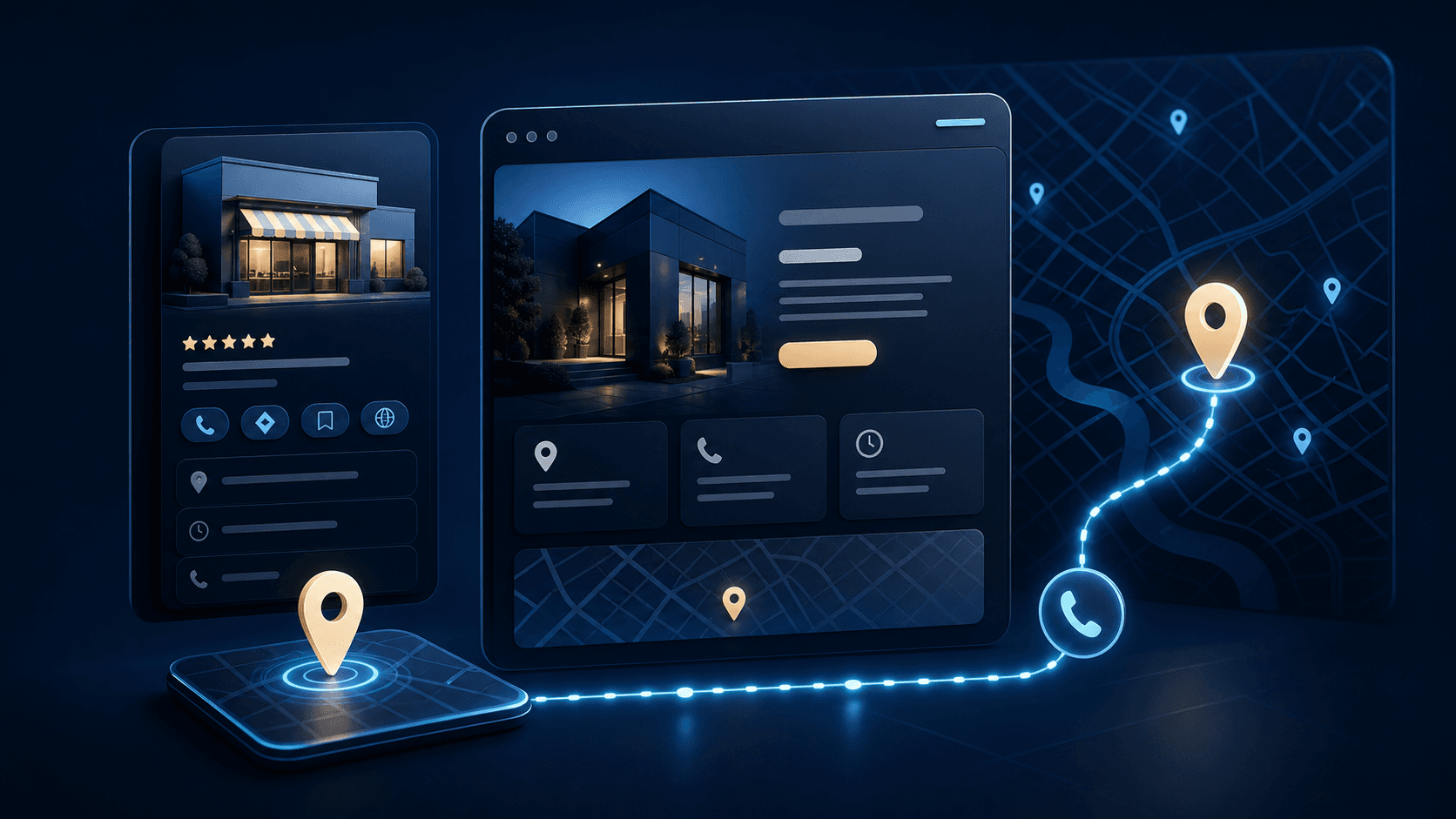
Before someone makes an enquiry, they subconsciously check whether a provider seems reputable. Design, language, images, references, availability and the overall impression of the website all count.
If these signals do not fit together, uncertainty arises. Visitors keep comparing or do not get in touch at all, even though the offer could fundamentally be a good fit.
Which signals are particularly important
Trust is not created by a single badge. Far stronger is the sum of concrete information, genuine examples and a professional presence.
Visitors want to recognise who is behind the offer, what experience exists and how the collaboration works.
- Genuine images or meaningful project examples
- Clear service descriptions
- Customer testimonials or references
- Transparent contact and process information
Why design influences trust
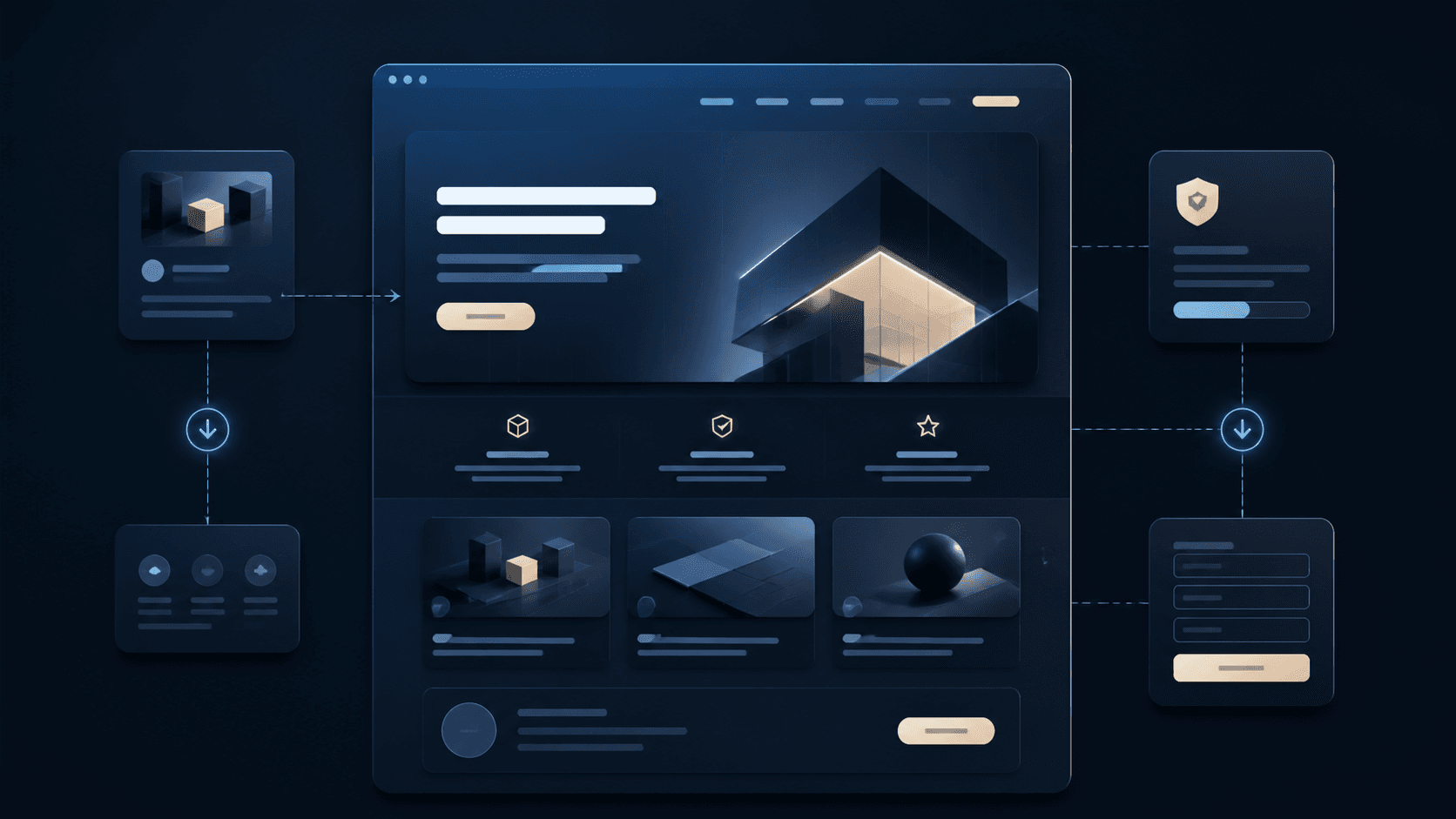
Design does not have to be loud to look professional. What matters is order, readability, appropriate spacing, good mobile rendering and a clear visual line.
Restless layouts, too many effects or inconsistent colours quickly make a website seem less reliable. A calm design helps visitors absorb content more easily.
- Clean spacing and clear hierarchy
- Easily readable text on all devices
- Consistent buttons and contact sections
- Professional image selection instead of random placeholders
How content reduces uncertainty
Visitors often do not make an enquiry when important questions remain open. Roughly how much does it cost? How long does it take? What happens after contact? Which information is needed?
When a website answers such questions understandably, the next step feels easier. Trust therefore also means: fewer puzzles before contact.
- Briefly explain the process
- Answer frequently asked questions
- Phrase expectations realistically
- Integrate the contact button into suitable sections
How Digital Vision makes trust visible
Digital Vision combines structure, design and content so that visitors can find their way around faster. Trust elements are not scattered at random but placed where they support decisions.
The result is a presence that looks reputable, answers questions and guides visitors towards an enquiry without pressure.